
Social Skills Development: From Parallel Play to Cooperation
Understanding how children progress socially from age 2 to 5 through meaningful play, emotional growth, and authentic peer connections.
10 min read
Intermediate
March 2026
Why Social Skills Matter in Early Childhood
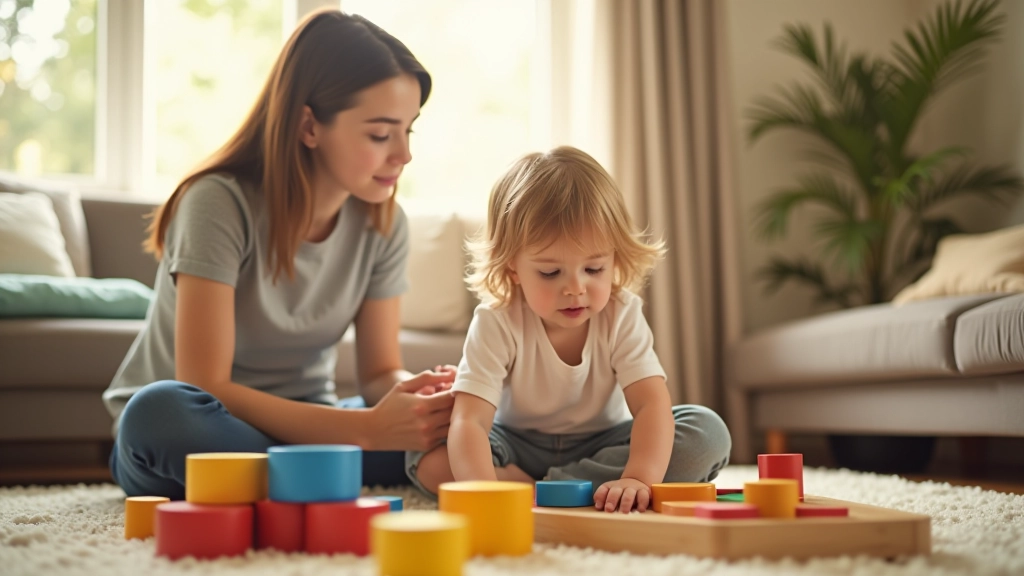
Kids don't just magically know how to play together. It's a skill that develops gradually, starting around age two when they first notice other children exist. At two, your child might sit next to another kid and do their own thing — that's called parallel play, and it's perfectly normal. By age five, though, you'll see real cooperation: sharing toys, following group games, taking turns talking.
This progression isn't random. There's actual brain development happening. Your child's prefrontal cortex — the part that handles impulse control and understanding other people's feelings — is still under construction. That's why a three-year-old might snatch a toy one moment and offer to share the next. They're learning, experimenting, and figuring out how relationships work.
The Stages of Social Growth
Understanding where your child is developmentally helps you know what to expect and when to gently encourage growth. It's not about pushing them ahead — it's about recognizing their natural progression.
Ages 2-3: Parallel Play & Self-Focus
Two-year-olds play alongside other kids, not really with them. They're still figuring out their own bodies and what toys do. Around this age, they start noticing other children exist, but interaction is minimal. They'll grab toys, cry if something's taken, and rarely take turns — that's developmentally appropriate. Language is limited, so they communicate through actions and emotions.
Ages 3-4: Associative Play & Simple Cooperation
By three, kids start actually playing together. You'll see brief moments of cooperation — two kids building the same tower or chasing each other. They're learning names, starting to ask for things instead of just grabbing, and developing friendships with specific kids. Conflicts happen frequently (sharing is hard!), but they're learning to resolve them with help from adults. Language explodes during this period, making communication easier.
Ages 4-5: Cooperative Play & Genuine Friendships
Five-year-olds engage in real cooperative play. They plan games together ("Let's play dinosaurs"), follow group rules, take turns naturally, and genuinely enjoy friendships. They're developing empathy — noticing when someone's sad and offering comfort. They can wait their turn in most situations and understand simple cause-and-effect in social situations. This is the stage where you see sustained play with peers, often the same friends repeatedly.
Building Skills Through Play
The best way to develop social skills? Play. Not structured activities where you're teaching lessons, but actual play where kids practice real interactions.
Parallel Play Setup (Ages 2-3)
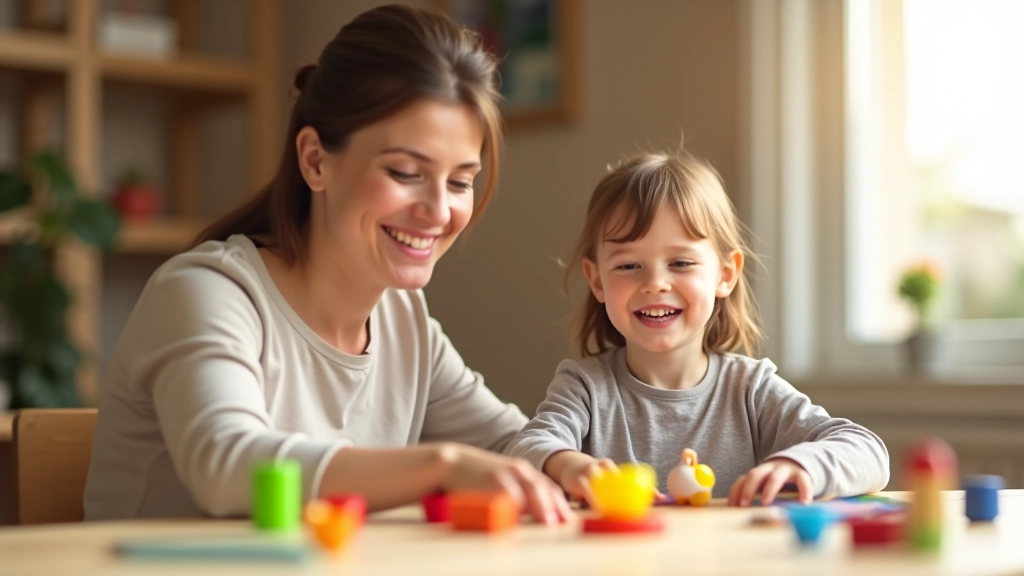
Put your child and a peer in the same space with similar toys — blocks, cars, or play-dough. They don't need to interact. Just being near each other while engaged in their own play is the foundation. This teaches comfort around peers without pressure to interact.
Simple Turn-Taking Games (Ages 3-4)
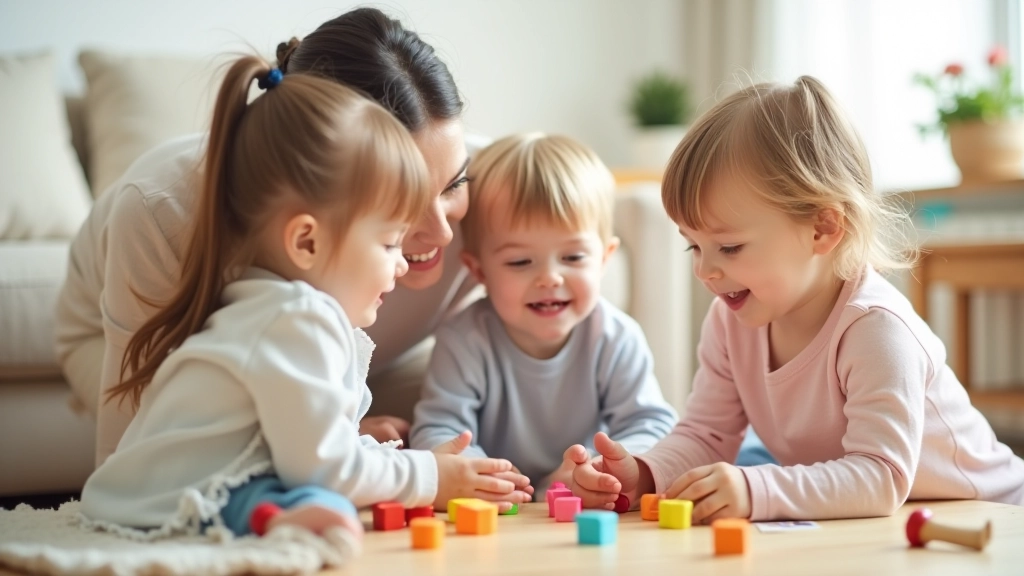
Games like rolling a ball back and forth, taking turns on a slide, or passing a toy around a circle teach waiting and reciprocal interaction. Keep turns short — a three-year-old can't wait very long. The goal is the repeated pattern of "I go, then you go."
Cooperative Building (Ages 4-5)
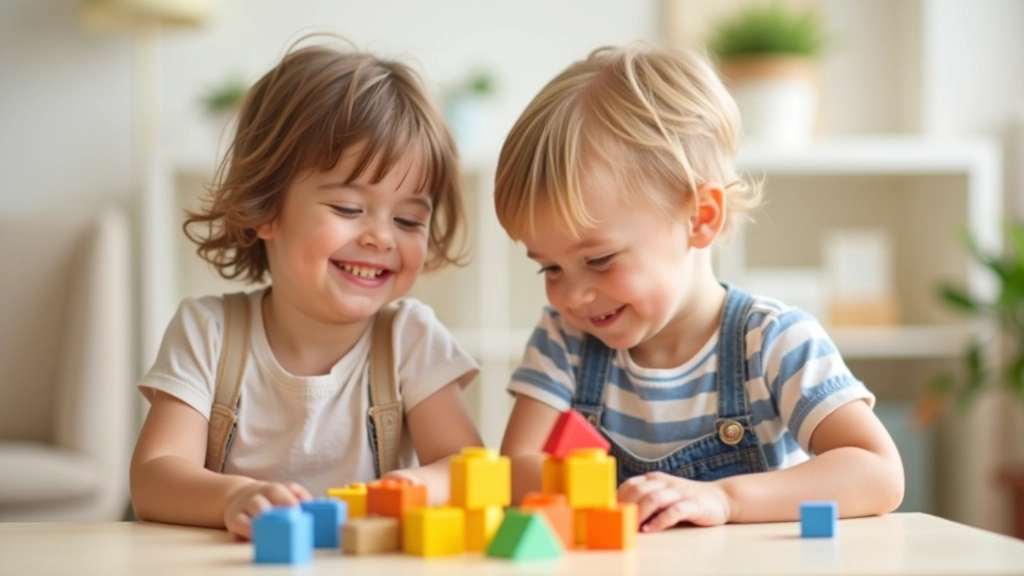
Two kids working on one block tower or puzzle together requires communication, sharing space, and problem-solving. You might hear them negotiate: "You put that one, I'll put this one." That's genuine cooperation developing.
Managing Conflict & Emotions
Here's what parents often get wrong: thinking conflict is bad. It's not. Conflict is where kids actually learn social skills. When your child grabs a toy from another kid and the other child cries, that's a teaching moment — not a failure.
What's actually happening: Your child is testing cause and effect. They grabbed the toy, someone reacted, and now they're learning that actions affect other people. This is fundamental to developing empathy.
Ages two to three, you'll need to step in frequently. Name what happened: "You grabbed the toy. Now Maya's crying because she wants it." Then help them solve it together. Don't lecture — keep it simple. By age four, kids can start managing minor conflicts with less adult help. By five, many can work it out with just light guidance.
Emotional regulation matters here too. If your child's overwhelmed, they can't practice social skills. Sometimes kids need a quiet moment to reset before trying again. That's not avoidance — that's good self-awareness.
Supporting Development at Home
You don't need fancy programs or structured social skills lessons. What kids need is regular time with peers — at playgrounds, parent-child classes, or just inviting a friend over. They need adults who notice their efforts and label what's happening: "I saw you share that toy with Leo. That made him happy."
Most importantly, they need to know it's okay to struggle. Learning to play with others, manage big feelings, and navigate friendships takes time. By kindergarten, most children have developed the foundational skills they need. And if your child's still working on some of these skills at five? That's normal too. Development doesn't happen on a fixed schedule.
"Social skills aren't something you teach in one lesson. They're practiced every single day through real interactions. Your role is to create opportunities and gently guide — not to make it perfect."
Watch your child's specific interests too. A four-year-old obsessed with dinosaurs will have an easier time connecting with another kid who loves dinosaurs. Following their interests, not forcing friendships, helps social skills develop naturally.
Related Articles

Pre-Math and Literacy Skills: What Kindergarten Teachers Actually Look For
Simple activities that build number sense, letter recognition, and early writing readiness before kindergarten.
Read More
The Kindergarten Transition: Easing Anxiety and Building Confidence
Practical strategies for the months before kindergarten starts. Managing separation anxiety and building school readiness.
Read MoreImportant Note
This article provides educational information about typical child development and social skill progression. Every child develops at their own pace. If you have concerns about your child's social development, speech, or emotional regulation, consult with your pediatrician or a child development specialist. They can assess your specific child and provide personalized guidance.