
Pre-Math and Literacy Skills: What Kindergarten Teachers Actually Look For
Simple activities that build number sense, letter recognition, and early writing. What counts as readiness and when not to worry.

What Teachers Actually Assess
Kindergarten teachers aren't looking for perfection. They're not checking if your child can read full sentences or solve math problems. What they're really assessing is whether kids can handle the basics — and whether they're ready to learn. Thing is, most of this happens through play, not flashcards.
We talked with teachers across the US about what they actually notice on day one. Turns out, the skills that matter most aren't the fancy ones you see on test prep websites. It's much simpler than that.

Pre-Math Skills: It's About Understanding, Not Counting
Teachers don't care if your child counts to 100. Really. What they care about is number sense — understanding that 3 means 3 things, that more and less are different, that numbers represent quantities. Your child should be able to count objects they can see, understand "one more," and follow simple number patterns.
Teachers look for:
- Counting 5-10 objects accurately
- Understanding "more" and "less" in real situations
- Recognizing shapes and sorting by size or color
- Matching sets (4 cups with 4 napkins)
- Simple patterns (red-blue-red-blue)
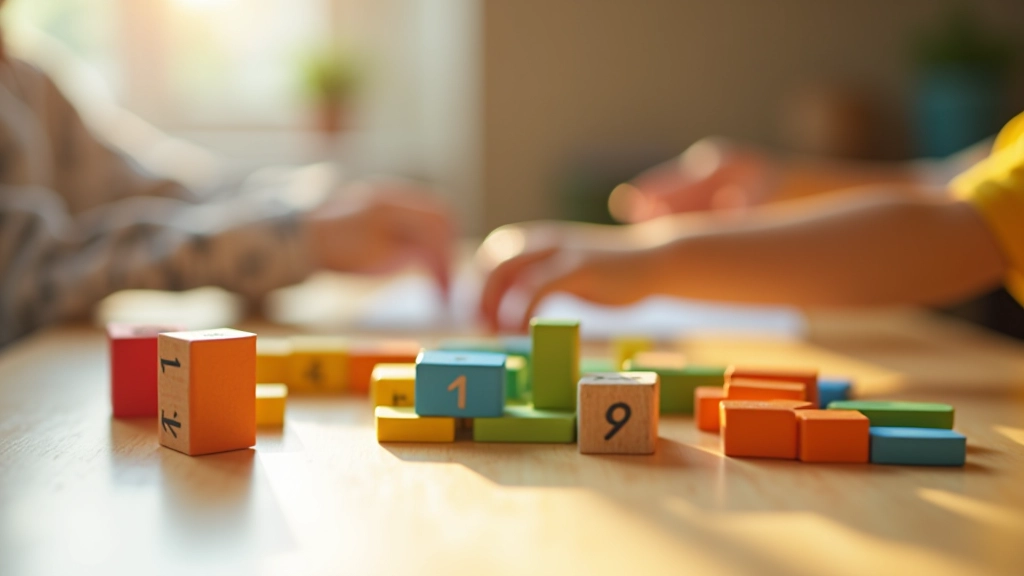
You don't need special materials for this. Playing with blocks, snack time, setting the table — these are all math opportunities. When you're cooking together and need "three eggs," you're building number sense. When you're sorting laundry into piles, that's sorting practice.

Early Literacy: Building Blocks Before Reading
Here's what surprised most parents we spoke with: your child doesn't need to read before kindergarten. Not even close. What they need is phonological awareness — understanding that words are made of sounds, that some words rhyme, that sentences have words. These are the actual foundations for reading.
Letter recognition helps, but it's secondary. Your child should know some letters (often starting with the ones in their name), recognize a few sight words, and understand that print has meaning. The ability to listen, follow directions, and talk about stories? That's gold for teachers.
Pre-literacy skills teachers assess:
- Listening to stories without interrupting
- Answering simple questions about books
- Recognizing that words rhyme
- Knowing some letter names (5-10 is fine)
- Holding a pencil with developing grip
- Making marks and scribbles intentionally
Activities That Actually Build These Skills
The best part? You don't need programs, apps, or worksheets. Here's what works:
Read together daily
15-20 minutes of picture books builds vocabulary, listening skills, and shows that words on pages tell stories. Pick books your child actually enjoys — dinosaurs, animals, funny stories. Engagement matters more than complexity.
Play with sounds
Sing songs, make silly rhymes, play "I Spy" with sounds ("I spy something that starts with /b/"). This is phonological awareness in action, and kids find it hilarious.
Count real things
Stairs while climbing, snacks at lunch, toys going into the bath. Make counting part of daily life rather than a separate lesson. Kids absorb this naturally.
Let them draw and write
Crayons, markers, chalk — whatever's available. Scribbles, wavy lines, attempts at letters. Don't correct or instruct. Just provide materials and let them practice motor control.
Sort and organize
Buttons by color, socks into pairs, toys into categories. This is sorting and classification — foundational math thinking. Make it a game, not a chore.
Play with blocks and building
Any building materials work. Blocks develop spatial reasoning, planning, and problem-solving. Plus it's quiet time that teaches persistence when towers fall.
Signs Your Child Is Ready (And When They're Not)
Readiness isn't just academic. Teachers are also assessing whether your child can handle the social and emotional side of a classroom. Can they sit for 15-20 minutes? Do they follow simple directions? Can they use the bathroom independently? These matter as much as letter names.
If your child isn't there yet, don't panic. Development isn't a race. Some kids are ready at 4.5, some at 5.5, and that's completely normal. What matters is that they're developing — growing steadier, more interested, more capable.
"I can tell within the first week which kids had practice listening and following directions. It's not about what they know academically — it's about whether they can sit with a group, listen to instructions, and try something new without shutting down."
— Kindergarten teacher, 12 years experience

When to Talk With Your Child's Teacher (Or Pediatrician)
Most kids who aren't reading before kindergarten will catch up by mid-first grade. But a few signs deserve a conversation:
Speech concerns
If people outside your family struggle to understand your child, or they use fewer words than peers, mention it. Not all kids talk early, but clarity matters for learning.
Following directions
If your child can't follow two-step directions ("Put on shoes and get your coat") by age 4.5, that's worth checking on. Teachers give lots of directions.
Fine motor struggles
If holding crayons causes frustration or pain, or your child can't turn pages in a book independently, ask about occupational therapy screening.
Attention differences
If your child can't engage with any activity for even 5 minutes, or constantly needs redirection, that's information to share with the teacher early on.
The Real Readiness Picture
Kindergarten readiness isn't a checklist of academic skills. It's about curiosity, listening, trying new things, and recovering from mistakes. It's about your child being able to ask for help, play alongside other kids, and stick with something when it's hard.
You don't need special programs or tutoring. You don't need to drill letters or numbers. What you need is time — reading together, playing outside, building things, making mistakes, and trying again. That's the actual foundation. Everything else follows.
If you're worried, ask your child's preschool or pediatrician. If they're not worried, you probably don't need to be either. Most kids are ready when they're ready, and starting kindergarten slightly behind is not a permanent disadvantage.
Want to explore more about early childhood development? Check out our related articles below for strategies on social skills, play-based learning, and the kindergarten transition.
About This Information
This article is informational and based on general kindergarten readiness practices in the United States. It's not a substitute for professional assessment or advice from your child's teacher or pediatrician. Every child develops differently, and readiness looks different for each child. If you have specific concerns about your child's development, speech, learning, or behavior, consult with your pediatrician or an educational specialist who can evaluate your individual child.
Related Articles