Building Strong Foundations: Play-Based Learning at Home
Learn how everyday play develops motor skills, language, and problem-solving abilities. No expensive toys required—just creativity and your time.
Why Play Matters More Than You Think
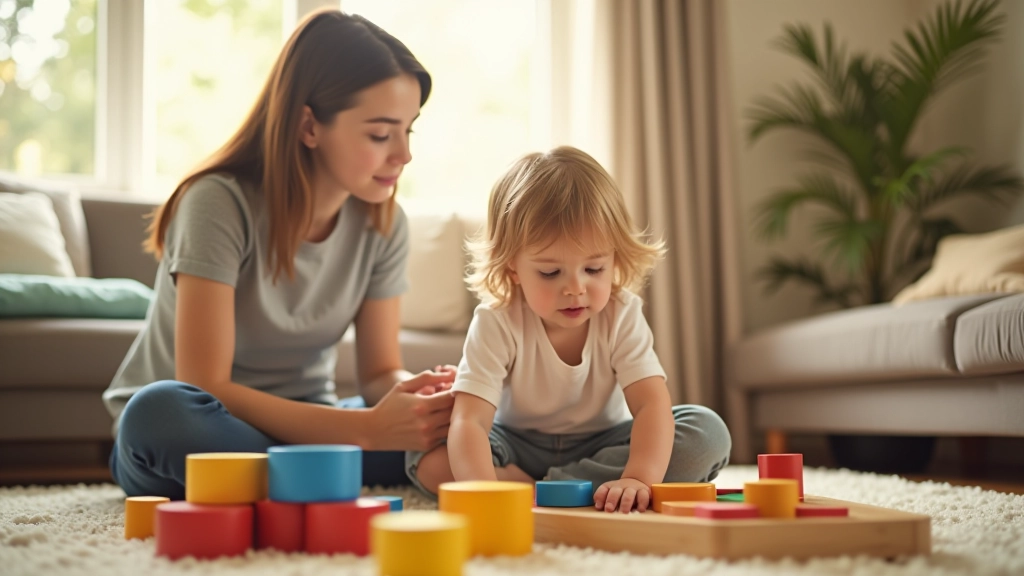
Here's what many parents don't realize: when your child is playing, their brain is actually working overtime. Building with blocks isn't just fun—it's teaching spatial reasoning. Pretend play develops language skills and emotional intelligence. Even simple activities like splashing in water during bath time strengthen motor control.
The best part? You don't need fancy educational apps or expensive equipment. The most powerful learning happens with materials you've already got at home—pots and pans, blankets, cardboard boxes, and your undivided attention. Research shows that children who engage in regular play-based learning develop stronger problem-solving skills, better emotional regulation, and more confidence entering kindergarten.
This isn't about structured lessons or rigid schedules. It's about understanding how your child's brain develops through play—and then getting out of the way enough to let it happen.
Building Motor Skills Through Play
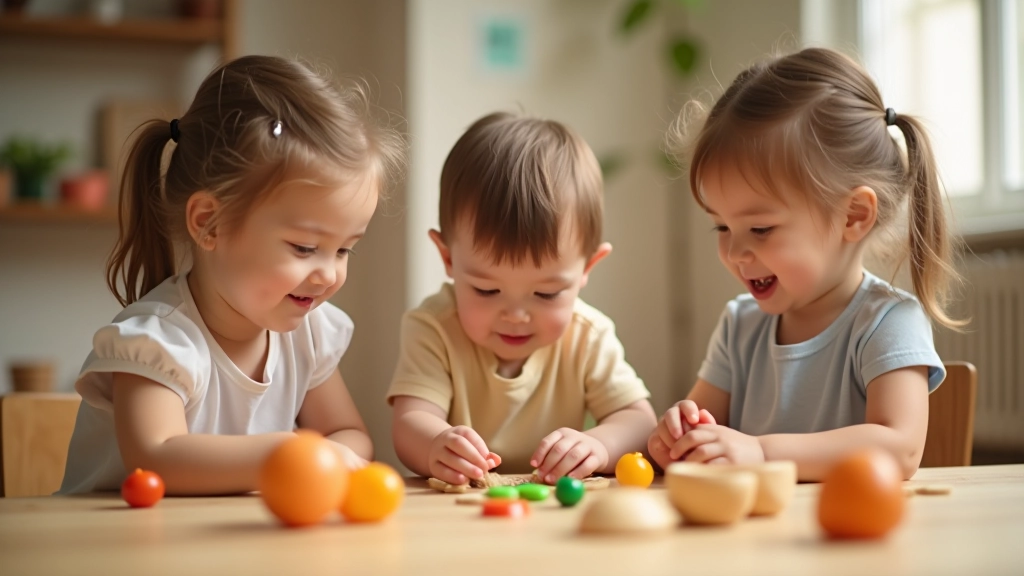
Motor development happens in two categories: gross (big movements) and fine (small, precise movements). Your child needs both to succeed in kindergarten—think pencil grip for writing, coordination for running at recess.
For gross motor skills, climbing on playground equipment, dancing to music, and playing chase all strengthen muscles and coordination. These activities develop the body awareness needed for athletic activities later on. Most kids this age need at least 60 minutes of active play daily.
Fine Motor Activities You Can Do Today
- Playdough: rolling, pinching, flattening (builds hand strength)
- Threading pasta onto string (develops finger control)
- Sorting buttons by color into containers (precision grip)
- Drawing with chunky crayons, then regular crayons (pencil grip progression)
- Water play with sponges, funnels, and cups (hand-eye coordination)
The trick is not to rush the progression. Your three-year-old doesn't need to write letters perfectly. They need to build the hand strength and control that makes writing possible when they're ready. That happens naturally through play.
Language Development Happens in Conversation
Talking with your child during play is where language explodes. Not talking *at* them—talking *with* them. This is the difference between narrating what they're doing and asking questions about it.
When your child builds a tower, instead of saying "You're building a tower," try "What's going to happen if we put another block on top?" Or during pretend play: "What should we cook for dinner in this restaurant?" These conversations introduce new vocabulary in context, help them practice speaking, and teach them that their ideas matter.
"Children learn language best when they're genuinely interested in what they're doing. That's when the brain is most receptive to new words and concepts."
— Speech Development Research
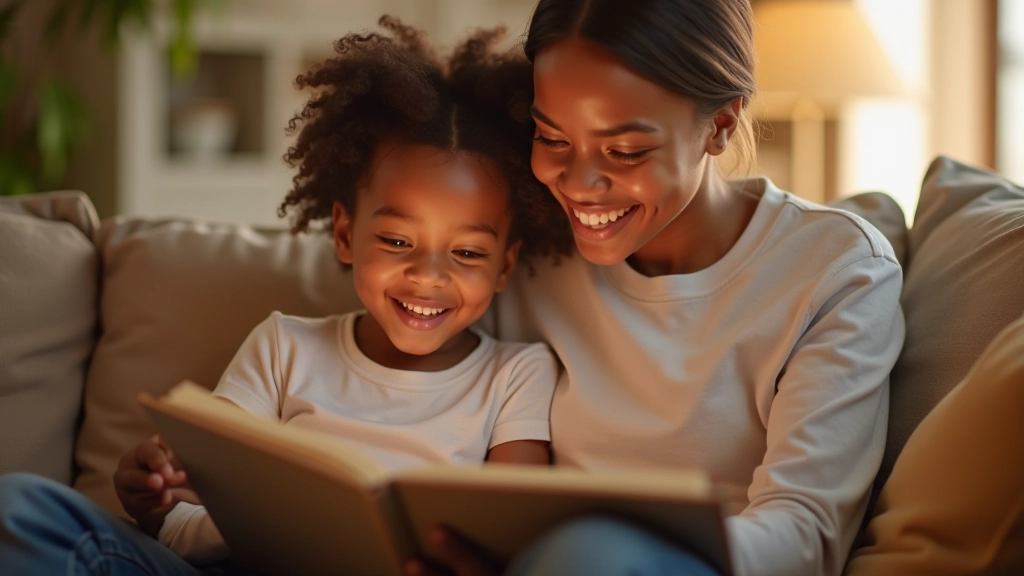
Books during play are powerful too. Reading about a firefighter, then letting your child pretend to be a firefighter, reinforces vocabulary. They're not just hearing the word "ladder"—they're using it. They're experiencing it.
Problem-Solving Skills Start Early
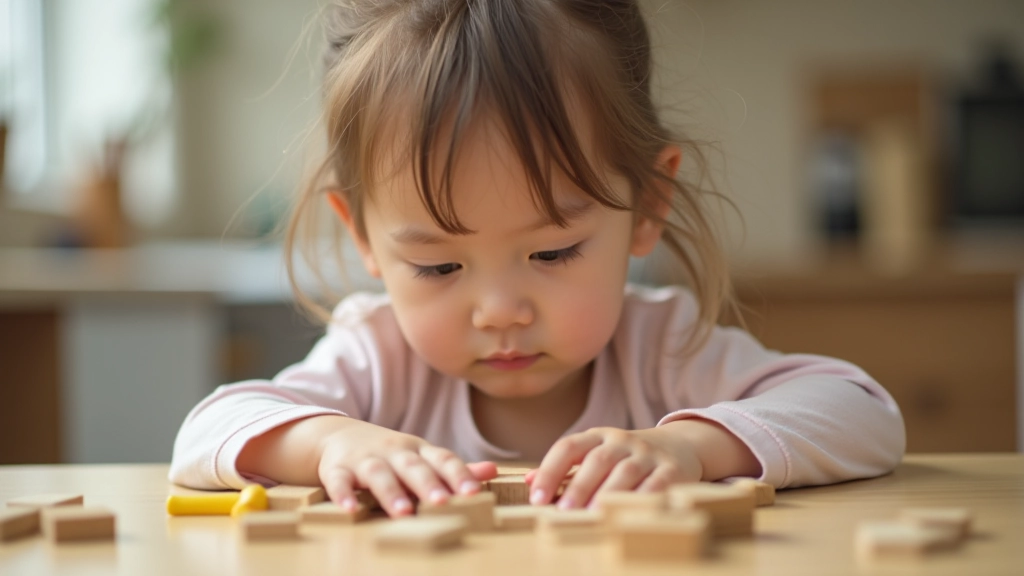
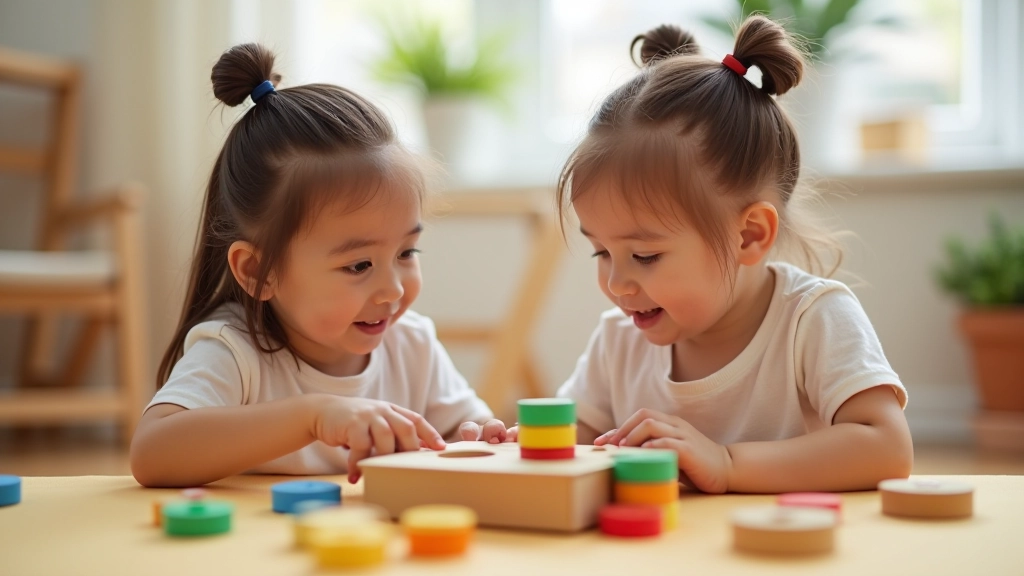
Watch a four-year-old try to fit a square block through a round hole. They'll twist it, turn it, try different angles. That's not frustration—that's learning. They're testing hypotheses. When they finally figure it out, they've learned cause-and-effect and persistence.
The best play for developing problem-solving is open-ended. Blocks, building materials, water, sand, art supplies—things without a "right" way to use them. Your child decides what to build, how to build it, and what to do when it falls apart. That's where real learning happens.
Puzzle Play
Start with 4-6 piece puzzles and work up. This builds spatial reasoning and fine motor control simultaneously.
Building Challenges
"Can you build something taller than your head?" "Can you make it stable so it doesn't fall?" Goals without instructions.
Pretend Play Scenarios
Set up a simple scenario: "The bridge is broken. How can we fix it?" Let them problem-solve within the play.
Getting Started: A Practical Guide
Set Up Play Spaces
You don't need a special playroom. A corner with a blanket, some cushions, and a basket of toys is enough. Keep materials accessible so your child can grab what interests them.
Gather Open-Ended Materials
Blocks, cardboard boxes, blankets, pots and pans, playdough, paint, water, sand. Anything that can be used in multiple ways. Skip toys that do only one thing.
Show Up and Play
Your presence matters. You don't need to direct the play, but sitting nearby, asking questions, and showing genuine interest transforms the experience.
Resist the Urge to Fix It
When your child's tower falls or their plan doesn't work, let them problem-solve. Your job is to support, not solve. "That's tricky. What could you try next?"
The Foundation for Kindergarten Success
Children who've engaged in rich play-based learning enter kindergarten with stronger foundations. They're more confident, better able to focus, more resilient when things get hard, and more curious about learning itself. You're not preparing them for kindergarten through structured lessons—you're building the cognitive and emotional muscles they'll use there.
Motor Skills
Active play builds gross motor skills; fine motor activities develop pencil grip and hand control.
Language
Conversation during play is where vocabulary explodes and communication skills develop.
Problem-Solving
Open-ended play teaches persistence, testing ideas, and learning from mistakes.
Social & Emotional
Play develops empathy, emotional awareness, cooperation, and resilience.
The good news? You're probably already doing this. If your child is playing, you're building these foundations. The real work is trusting that play is learning, and giving it the time and attention it deserves.
Educational Disclaimer
This article provides educational information about play-based learning and early childhood development. Every child develops at their own pace. If you have concerns about your child's development—physical, speech, social, or emotional—consult with your pediatrician or a child development specialist. This content isn't a substitute for professional assessment or personalized guidance from qualified educators.