
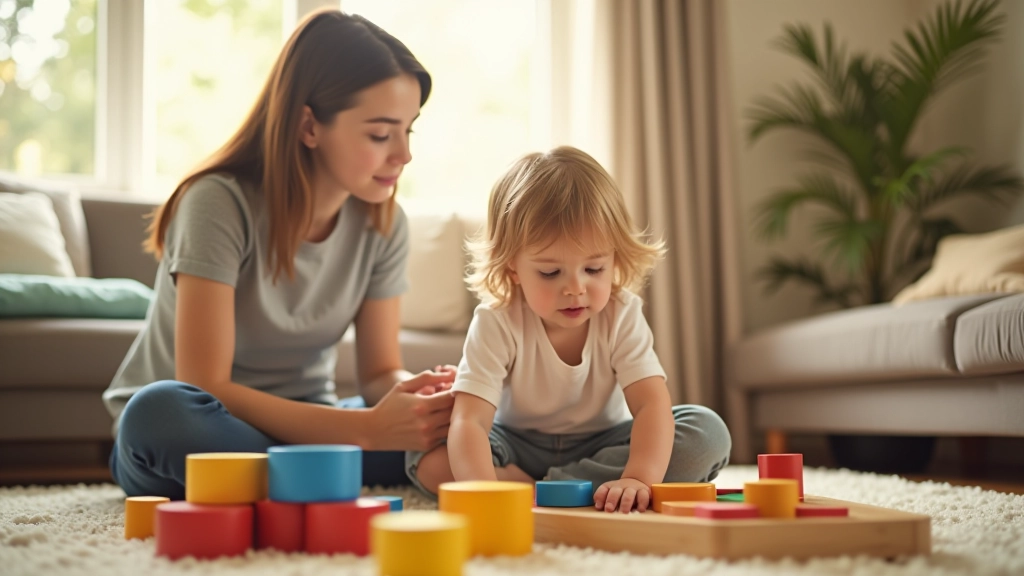
Building Strong Foundations: Play-Based Learning at Home
Learn how everyday play develops motor skills, language, and problem-solving abilities. No expensive toys required—just creativity and your time.
Read Full ArticleEvidence-based learning activities, social skills development, and kindergarten transition strategies for parents aged 40-60
Supporting children's growth through age-appropriate activities, hands-on learning, and practical parenting guidance. Resources designed for parents navigating the critical years before kindergarten.
Learn how everyday play develops motor skills, language, and problem-solving abilities. No expensive toys required—just creativity and your time.
Read Full ArticlePractical guidance on child development, social skills, and preparing for kindergarten

Understanding how children progress socially from age 2 to 5. Includes activities for building friendships, managing emotions, and conflict resolution.
Learn More
Simple activities that build number sense, letter recognition, and early writing. What counts as "readiness" and when not to worry.
Discover
Practical strategies for the months before kindergarten starts. Managing separation anxiety, establishing routines, and what to expect in those first weeks.
Read Article
Guide to parenting workshops and support groups specifically designed for parents aged 40-60. What to expect and how they can help your family.
ExploreDuring this period, children develop rapidly in language and motor skills. They're beginning to understand cause and effect, and they're starting to engage in parallel play—playing near other children but not yet with them. This is completely normal. Focus on building vocabulary through everyday conversations, safe exploration, and consistent routines.
Children begin showing genuine interest in other kids. They're more independent but still need close supervision. Imaginative play flourishes at this age. You'll notice them asking endless questions—this is their brain working hard to understand the world. They're developing early friendships and beginning to follow simple rules and routines.
This is when children develop more complex social interactions, longer attention spans, and increased independence. They can follow multi-step instructions and are starting to recognize letters and numbers. Self-regulation is improving—they can wait their turn and control impulses better. They're ready for more structured activities but still need plenty of play time.
Every child develops at their own pace. This isn't a pass-fail list—it's a guide to understanding where your child stands and what areas might benefit from more practice.
Using the bathroom independently, washing hands, managing basic clothing tasks like pulling up pants or putting on shoes.
Can follow 2-3 step instructions and sit quietly for short periods (15-20 minutes). Responds to their name and looks at you when speaking.
Speaks in sentences, expresses needs and feelings, uses "please" and "thank you," engages in back-and-forth conversations.
Manages transitions with minimal resistance, copes with minor frustrations, shows empathy toward others, separates from parents without excessive distress.
Recognizes some letters and numbers, understands basic concepts like big/small and more/less, shows interest in books and stories.
Plays cooperatively with other children, takes turns, shows interest in making friends, can share (with reminders).