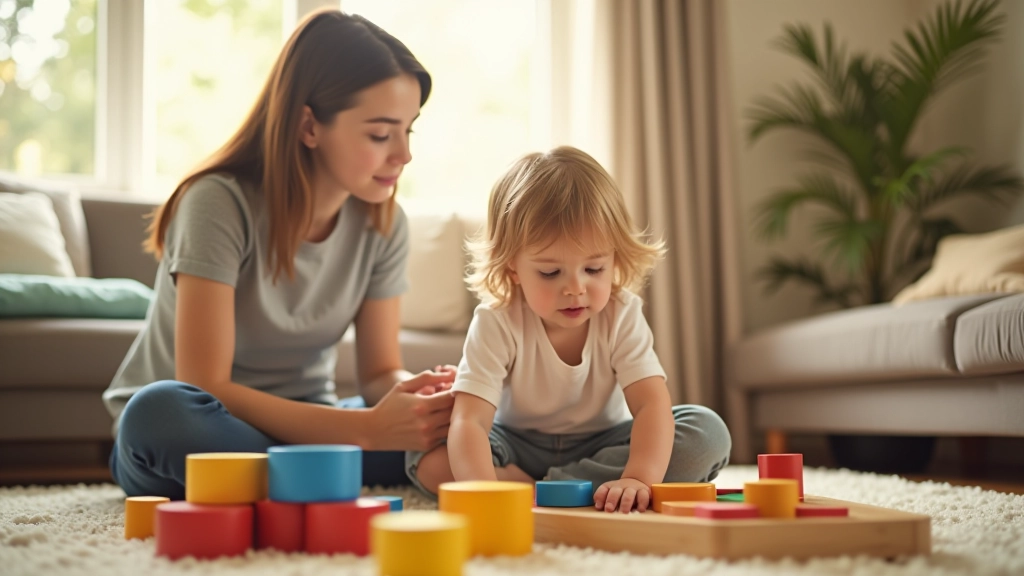
The Kindergarten Transition: Easing Anxiety and Building Confidence
Practical strategies for the months before kindergarten starts. Managing separation anxiety, establishing routines, and what to expect in those first weeks.

Why the Kindergarten Transition Matters
Kindergarten isn't just about academics — it's a major life milestone. Your child will spend 6-7 hours daily in a new environment with unfamiliar adults, lots of other kids, and structured routines they've never experienced. That's significant.
The transition begins months before that first day. How you prepare during summer, how you talk about school, what routines you establish — these shape whether your child walks in excited or terrified. The good news? Most anxiety is preventable with the right approach.
We've worked with hundreds of families through this transition. What we've learned is that kids who feel prepared, who've visited the school, who understand what to expect, and who've practiced independence at home adapt quickly. That's what this guide covers.
The Transition Timeline: 3 Months Before Through Week 1
What to do and when to do it for smooth preparation
3 Months Before: Information Gathering
Request a school handbook and visit the school if possible. Ask about classroom size, how they handle bathroom breaks, lunch procedures, and daily schedule. Meet the teacher if kindergarten classes are already assigned. Write down specific details about the classroom, playground, and routines — you'll reference these when talking to your child.
2 Months Before: Build Independence Skills
Practice bathroom independence, hand-washing, opening lunch containers, and following multi-step directions. Don't wait until August to realize your child can't manage their backpack zipper. These practical skills reduce anxiety because your child feels capable. Celebrate small wins — this builds confidence.
1 Month Before: Establish Routines
Start the school-year bedtime and wake-up routine now — not the week before school. Shift gradually if needed, but get your child's body clock aligned. Pack practice lunches, time your morning routine to match school timing, and practice the transition from home to car/walking. Familiarity with routines dramatically reduces first-day anxiety.
2 Weeks Before: School Visit & Stories
Visit the school together. Walk the hallways, see the classroom, sit in the cafeteria if possible. Take photos or videos to review at home. Start reading kindergarten books together ("Llama Llama Misses Mama" works well). Talk about school in concrete, specific terms — not abstract ideas about "learning" but actual activities: "You'll sit at a table and draw pictures, just like at home."
First Week: Consistent Pickup, Clear Goodbye
Pick your child up at the exact time you promised, every single day that first week. Don't be late — it confirms their fear that you might forget them. Keep goodbyes short and confident. "I'll pick you up after snack time. I love you. Have fun." Then leave. Dragging out the goodbye or sneaking away both increase anxiety.
Managing Separation Anxiety: 5 Evidence-Based Strategies
What actually works when your child cries at drop-off
Strategy 1: Normalize the Experience
Separation anxiety often stems from the unfamiliar. Before school starts, separate from your child in controlled, positive situations. Leave them with a trusted grandparent for 30 minutes while you're still nearby. Go to a separate room at the library. This teaches their brain that separation is temporary and safe.
Talk about your own separations. "Mommy goes to work, and then I come back to pick you up. Every time." Consistency in language matters — use the same phrase repeatedly.

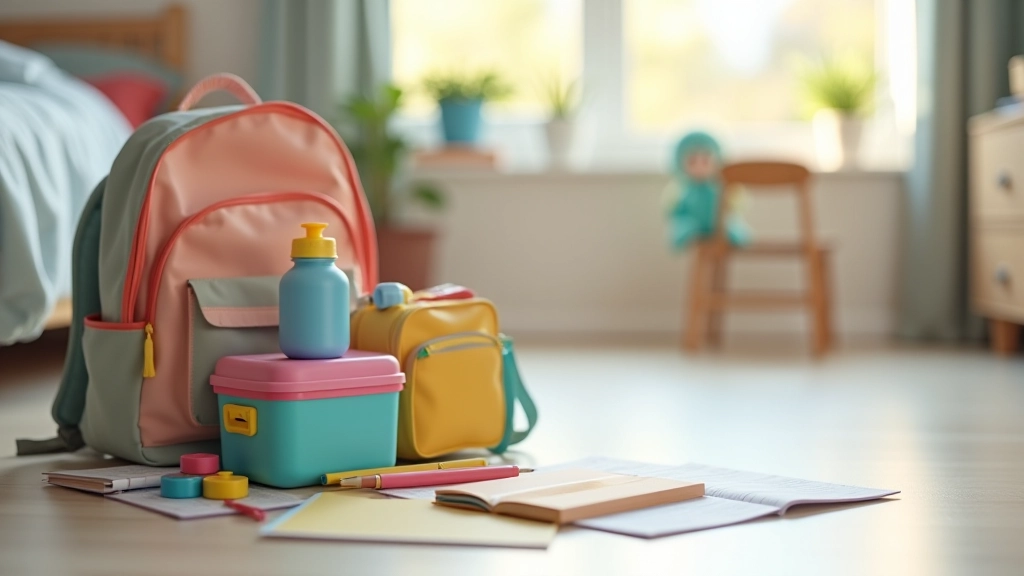
Strategy 2: Create Tangible Comfort Objects
A small item from home can be surprisingly powerful. A photo of the family, a special rock, a small stuffed animal — something your child can touch during tough moments. Check your school's policy first (some don't allow objects), but most do allow one small item.
Make the object special together. Decorate it, talk about how it reminds them of home. When anxiety hits, they have something concrete to hold onto. It's not a crutch — it's a bridge between home and school.
Strategy 3: Establish a Goodbye Ritual
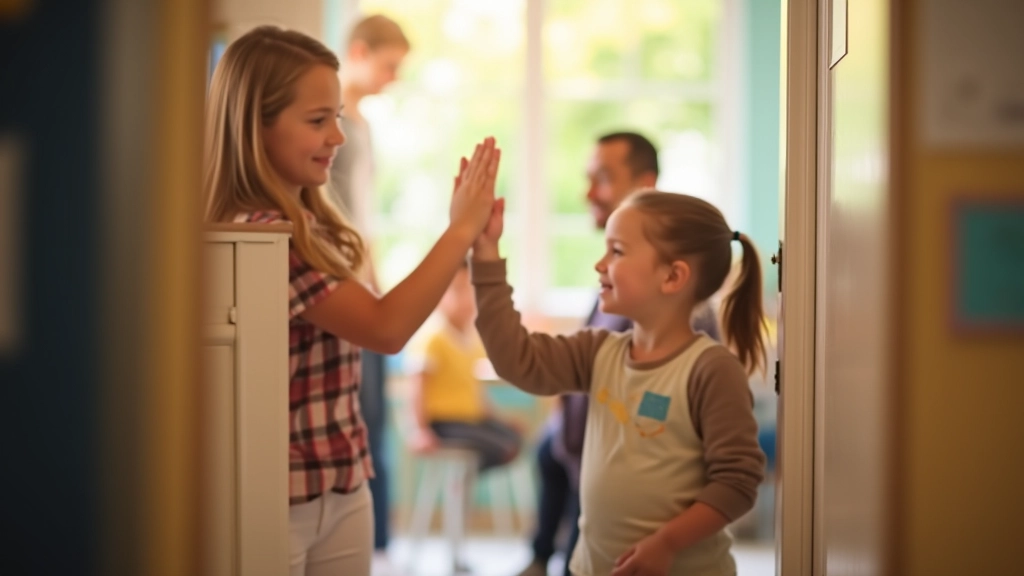
A consistent goodbye ritual creates predictability, which calms anxiety. It might be: three kisses, a special handshake, a high-five, or saying "see you after snack." The specific ritual doesn't matter — consistency does. Do the same ritual every single morning for the first month.
Keep it brief (15-20 seconds) and positive. Don't make it sad or dramatic. Your energy sets the tone — if you're anxious, your child picks up on it. Confident, matter-of-fact goodbyes teach them that this is normal.
Building Confidence: What Kids Actually Need
Moving beyond anxiety toward excitement
Mastery of Practical Skills
Kids feel confident when they can DO things. Can they open their lunch? Use the bathroom independently? Put on their own shoes? Practice these relentlessly before school. By August, these should be automatic.
Specific Knowledge About What's Coming
Uncertainty breeds anxiety. Specificity builds confidence. Instead of "You'll learn lots of things," say "You'll sit at a table with four other kids and do art projects. The teacher's name is Mrs. Chen. Lunch is at noon in the big room with lots of other kids."
Positive Peer Connections
If possible, arrange playdates with other kindergarten classmates over summer. One friendly face in the classroom makes an enormous difference. Kids worry less about the unknown when they know at least one other person there.
Your Genuine Belief in Their Capability
Kids absorb your confidence or worry. If you're anxious about whether they'll be okay, they feel it. Believe — genuinely — that they can handle this. They're ready. Tell them that. Show them through your calm, consistent behavior.
The First 2-4 Weeks: What to Expect and How to Respond
The first few weeks rarely look like Instagram posts. Your child might cry at drop-off. They might come home exhausted and cranky. They might regress — have accidents, have nightmares, want to sleep in your bed. This is normal.
Most kids settle in within 2-4 weeks. Some take longer. The timeline varies. But here's what matters: your response during those early weeks shapes how quickly they adjust.
Don't negotiate or bribe at drop-off. "If you don't cry, we'll get ice cream" teaches your child that school is something to be endured, not experienced. Stay firm and positive. The crying stops faster when kids learn that crying won't change the situation.
Ask specific questions at pickup. Not "How was school?" (kids usually say "fine"). Try: "What did you do at art? Who did you sit with at lunch? What was the hardest part today?" Specific questions show genuine interest and help your child process the experience.
Keep afternoons calm. Your child is emotionally spent. Skip playdates and errands that first week if possible. Go home, have a snack, rest. By week two, you can add activities back in.

When to Be Concerned: Red Flags That Need Attention
Most adjustment challenges resolve naturally. Some need professional support.
Persistent Physical Symptoms
Headaches, stomach pain, or rashes that appear only before school (and resolve after pickup) suggest anxiety that might need professional attention. Talk to your pediatrician if symptoms persist beyond 4-6 weeks.
Aggression or Behavioral Regression
Some acting-out is normal. Extreme aggression, hitting, throwing things, or significant regression (toileting accidents after being trained for months) suggests your child might need additional support processing their feelings.
No Improvement After 4-6 Weeks
By mid-September, most kids have stopped crying at drop-off. If your child is still intensely anxious after 4-6 weeks, a consultation with a child psychologist can help identify whether this is adjustment anxiety or something else.
School Reports Concerning Behavior
If the teacher reports aggression, refusal to participate, or extreme anxiety at school (beyond typical transition behavior), work with the school and your pediatrician to develop a plan. Early intervention helps.
You've Got This
The kindergarten transition is real. Your child's anxiety is real. But your preparation, consistency, and confidence are real too — and they matter enormously. Kids are remarkably resilient. Most adjust quickly when given clear expectations, practical preparation, and calm, confident adults guiding them through.
The months before school starts aren't just about reducing anxiety. They're about building your child's sense that they're capable, that the world is manageable, and that you trust them. Those lessons extend far beyond kindergarten.
Start your transition planning today. Use the timeline above, practice the strategies, and remember: every child's journey is different, and that's okay.
About This Content
This article provides educational information about kindergarten transition strategies based on child development research and practical experience. It's not a substitute for professional advice from pediatricians, child psychologists, or educators. Every child develops differently. If you have concerns about your child's anxiety, behavior, or development, consult with qualified healthcare providers. Your pediatrician can assess your individual situation and recommend appropriate support.